
Keeping your passwords safe is more important than ever. Every day, hackers try to steal online accounts, personal notes, and even diaries. Most people use simple passwords or repeat the same one everywhere. This is risky and can lead to identity theft, lost memories, or even financial trouble. A password diary is a smart solution for anyone who wants to remember passwords and keep secrets secure. But how can you make sure your password diary is safe? Should you use a paper notebook, a digital app, or a specialized encrypted diary? Let’s explore the world of password diaries, compare popular options, and see how you can protect your most private information.
What Is A Password Diary?
A password diary is a place to store passwords, PINs, and other sensitive information. It can be a physical notebook, a digital document, or a special app designed for privacy. People use password diaries because remembering many passwords is hard. With a password diary, you can write down:
- Website logins
- Bank account numbers
- Security questions
- Software license keys
The main goal is to have a safe, organized way to access your information. However, not all password diaries offer the same protection. Some are easy to lose or hack, while others use advanced technology to keep your data private.
Types Of Password Diaries
There are several ways to keep a password diary. Each has pros and cons depending on your needs.
Paper Notebook
A classic method is writing passwords in a paper notebook. This is easy, cheap, and doesn’t require any tech skills. But it has big risks:
- Can be lost or stolen
- No backup if destroyed
- Easy for others to read
Some people hide their notebook in a safe place or use codes to make passwords harder to guess.
Digital Document
Many people keep passwords in a Word file or Excel spreadsheet. This is simple and easy to organize. You can use password protection, but these files are vulnerable to malware and hackers. If your computer crashes, you may lose everything.
Password Manager Apps
Apps like LastPass, Bitwarden, and 1Password are made for storing passwords securely. They use encryption to protect your data. Most have features like auto-fill, password generation, and syncing across devices.
Privacy-focused Diary Apps
Some diary apps, like SafeDiary (safediary.app), focus on privacy and encryption. They let you write notes, store passwords, and organize information while keeping everything hidden from others—even the app creators.
Comparing Password Diary Methods
Choosing the best password diary depends on what matters most: convenience, security, or privacy. The table below compares popular methods.
| Method | Security Level | Ease of Use | Backup Options | Privacy Features |
|---|---|---|---|---|
| Paper Notebook | Low | High | None | None |
| Digital Document | Medium | High | Manual | Password protection only |
| Password Manager App | High | Medium | Automatic | Encryption |
| SafeDiary | Very High | Medium | Encrypted export/import | Zero-knowledge, AES-256-GCM, 2FA |
Why You Need A Password Diary
Most people use weak passwords. According to Verizon’s 2023 Data Breach report, over 80% of hacking-related breaches involve weak or stolen passwords. Forgetting passwords is common, but reusing them can be dangerous. A password diary helps you:
- Keep unique passwords for every account
- Organize security questions and backup codes
- Remember important dates and PINs
A password diary also saves time. Instead of resetting passwords or searching emails, you have everything in one place. For people with many accounts—like students, professionals, or families—a password diary is almost essential.
What Makes A Password Diary Truly Secure?
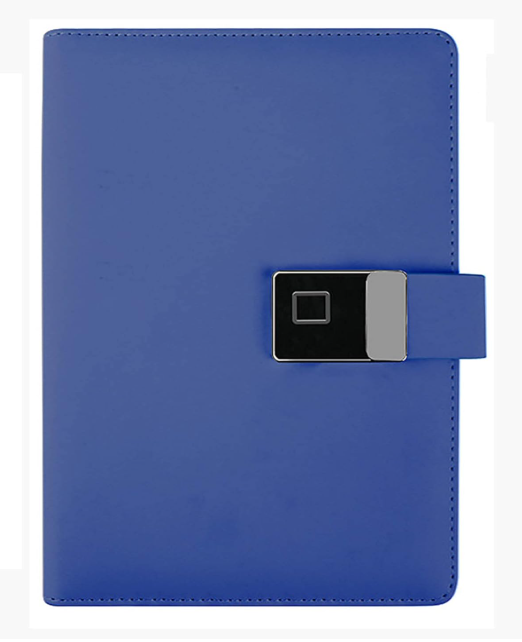
Not all password diaries are safe. Here’s what makes a diary trustworthy:
- Encryption: Your data should be scrambled so only you can read it.
- Authentication: Extra steps like Two-Factor Authentication (2FA) protect against unauthorized access.
- Auto-lock: Automatically locks the diary after inactivity.
- Backup and Recovery: Allows you to restore data if you lose your device.
- Privacy by Design: The creators cannot see your data.
A common mistake is relying on simple password protection or storing passwords in plain text. Hackers can break weak protections easily. Look for apps or tools that use strong encryption and privacy features.
Exploring Safediary: Privacy-focused Online Diary
SafeDiary is a modern, browser-based diary app designed for privacy and security. Let’s look at what makes it unique:
- Zero-knowledge encryption: SafeDiary uses AES-256-GCM encryption. This means your data is locked so tightly that even the app’s creators cannot read it.
- End-to-end encryption: Your information is encrypted on your device and stays encrypted during transfer and storage.
- Two-Factor Authentication (2FA): Adds an extra step when logging in, making it much harder for hackers to access your diary.
- Auto-lock and panic lock: If you forget to log out or someone tries to access your diary, the app locks itself.
- Encrypted export/import: You can backup your diary and restore it later without losing privacy.
- Markdown writing: Allows easy formatting of notes and passwords.
- Tags and search: Helps organize your diary, making it easy to find passwords or notes.
- Works across devices: You can use SafeDiary on your phone, tablet, or computer.
These features make SafeDiary ideal for secure journaling, note-taking, and password management. Whether you’re a student, professional, or privacy enthusiast, SafeDiary offers peace of mind.
How Safediary Protects Your Data
Understanding how SafeDiary works can help you trust it. Here is a breakdown of its main security features:
| Feature | Description | Benefit |
|---|---|---|
| AES-256-GCM Encryption | Scrambles your data using advanced math | Only you can read your diary |
| Zero-knowledge | No one else, not even the app creators, can see your entries | Full privacy |
| 2FA | Requires a code sent to your phone/email | Stops hackers from logging in |
| Panic Lock | Instantly locks the diary in emergencies | Quick protection if threatened |
| Encrypted Export/Import | Back up your data safely | Recover your diary without losing privacy |
Tips For Creating A Secure Password Diary
Even the best password diary is only as safe as how you use it. Here are some practical tips:
- Use strong, unique passwords for every account. Avoid names, birthdays, or simple words.
- Update your diary regularly. Whenever you change a password, record it.
- Don’t share your diary with anyone. Keep it private.
- Enable 2FA and auto-lock features.
- Backup your diary using encrypted export/import.
- Choose a secure master password. This should be long and hard to guess.
A common mistake is forgetting to update passwords or leaving the diary open on a shared device. Always log out when finished, and never store your password diary in your email or cloud without encryption.

Common Mistakes Beginners Make
Many people make simple mistakes with their password diaries. Here are two non-obvious ones:
- Storing passwords in browser notes or basic diary apps: These may seem private, but many apps do not encrypt your data. If your device is lost or hacked, your passwords are exposed.
- Using weak master passwords: Some users choose an easy master password, thinking it will be enough. This makes the entire diary easy to unlock.
If you want true security, pick tools that use strong encryption and privacy features. Always test your diary’s backup and recovery process before you need it.
Password Diary Vs Password Manager: What’s The Difference?
Some people confuse password diaries with password managers. Both help you remember passwords, but they work differently.
- Password diaries are usually more flexible. You can write notes, organize tags, and keep other secrets.
- Password managers focus on storing logins and auto-filling passwords for websites.
Here is a quick comparison:
| Aspect | Password Diary | Password Manager |
|---|---|---|
| Data Stored | Passwords, notes, PINs, security questions | Logins, passwords |
| Organization | Tags, search, markdown | Folders, categories |
| Security | Depends on app/diary | Usually encrypted |
| Auto-Fill | No | Yes |
| Privacy | Zero-knowledge possible | Depends on provider |
If you want flexibility and privacy, a password diary like SafeDiary is a strong choice. If you need auto-fill for many websites, a password manager may be better.
Real-life Examples: How People Use Password Diaries
Let’s look at some practical ways people use password diaries:
- Students: Track school logins, exam codes, and project notes.
- Professionals: Store work passwords, software keys, and confidential notes.
- Families: Keep shared accounts, Wi-Fi passwords, and emergency info.
- Travelers: Record travel documents, hotel logins, and PINs.
Some users even keep personal memories or health records in their password diary, knowing it’s secure. With SafeDiary, you can organize everything using tags and search.
Security Statistics And Trends
Cybercrime is rising. In 2022, the FBI reported over 800,000 cybercrime complaints in the US alone. The top cause? Weak or stolen passwords. Many attacks target diaries and notes stored online. Using a privacy-focused diary with strong encryption is one of the best ways to protect yourself.
Zero-knowledge encryption, like in SafeDiary, is becoming the gold standard. According to Wikipedia, zero-knowledge systems ensure only the user can access their data, making them ideal for sensitive information.
Frequently Asked Questions
How Is Safediary Different From Regular Diary Apps?
SafeDiary uses zero-knowledge, end-to-end encryption, so even the app creators cannot see your entries. It also offers 2FA, auto-lock, and panic lock—features most diary apps lack.
Can I Use Safediary For More Than Passwords?
Yes, you can store notes, PINs, security questions, and even personal memories. SafeDiary supports markdown writing, tags, and search, making it useful for journaling and personal knowledge management.
What Happens If I Forget My Master Password?
Because SafeDiary uses zero-knowledge encryption, even the creators cannot recover your password. It’s important to choose a strong, memorable master password and keep backup codes safe.
Is Safediary Available On All Devices?
SafeDiary is browser-based and works across phones, tablets, and computers. You can access your diary from anywhere, as long as you have your login and 2FA code.
How Secure Is AES-256-GCM Encryption?
AES-256-GCM is one of the strongest encryption standards. It is used by banks, governments, and security experts worldwide. With end-to-end encryption, your data stays private and safe from hackers.
Choosing the right password diary can make life easier and keep your secrets safe. Whether you use paper, digital files, password manager apps, or a privacy-focused diary like SafeDiary, remember to use strong passwords, update regularly, and always protect your master password.
In today’s world, privacy is not just a luxury—it’s a necessity.